
Why Brompton Tech-Led Processing Outperforms NovaStar for High-End LED Displays
A deep dive into how Brompton’s advanced features like TrueLight®, OSCA, and ultra-reliable support set it apart for professional events and live production environments.
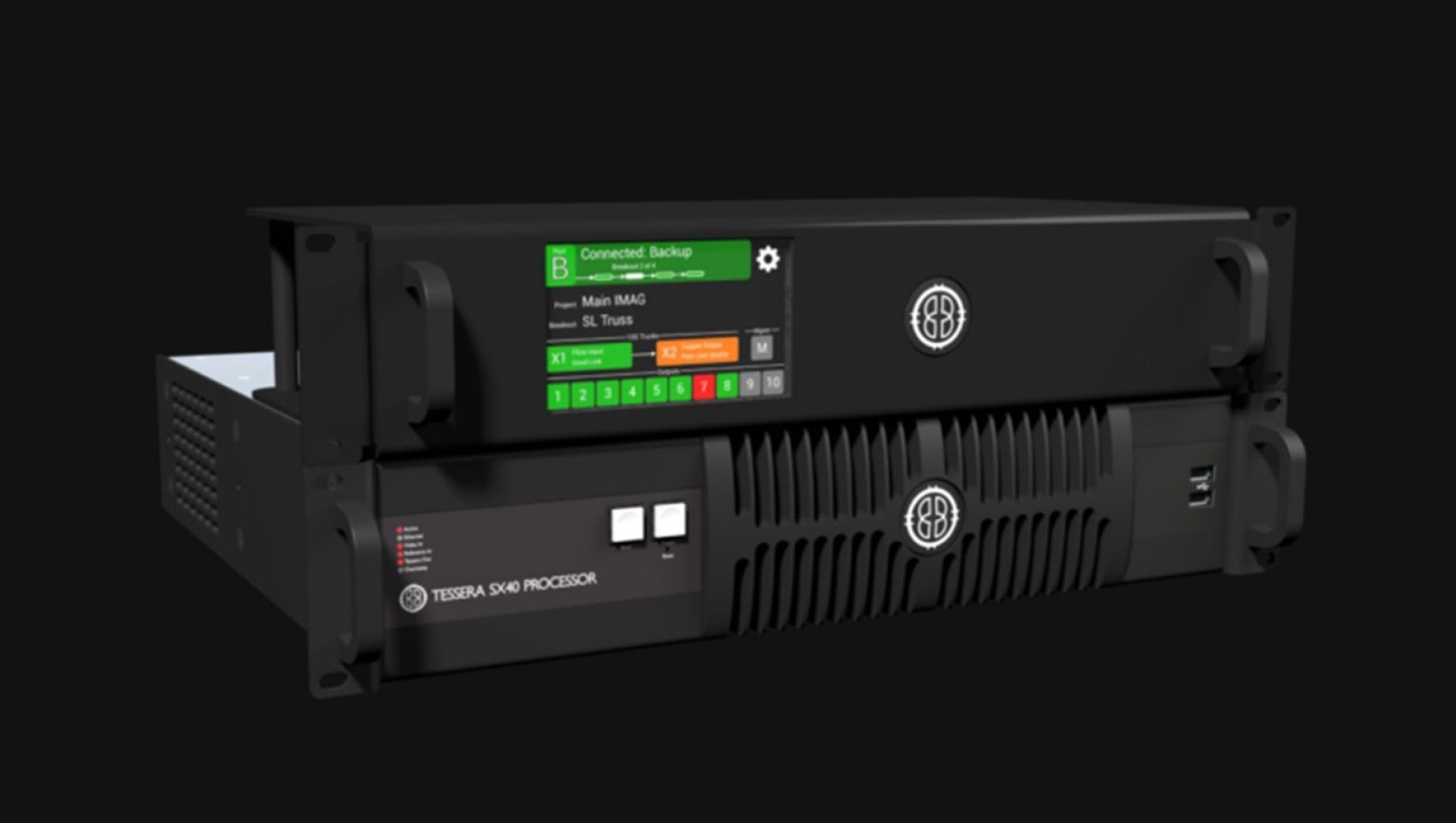
In the world of LED video processing, **Brompton Technology** has long set the bar for reliability, color accuracy, and operational efficiency—especially for large-scale live events, broadcast, and immersive productions.
Brompton offers industry-leading features such as **TrueLight® per-pixel spectral calibration**, **OSCA (On-Screen Color Adjustment)**, and robust web-based GUIs that make show-day workflows faster and more dependable. Meanwhile, **NovaStar** brings strengths like **low latency**, **Genlock**, and excellent color-management tools—all at a more budget-friendly price.
“There will be major color differences between the two processors… the only way around this is to do color matching (probably using a LUT), which will take a lot of time.” — Reddit user
In practice, matching processors adds complexity. Many engineers in the field agree: when possible, stick to one platform—especially if seamless color and reliability are top priorities.
Quick Comparison
- Brompton: TrueLight® spectral calibration, OSCA, intuitive web GUI, best-in-class support and dependability.
- NovaStar: Ultra-low latency, Genlock, advanced color management, “Colour Manage” calibration, and strong value pricing.
Professional production companies like Forty Two Inc. rely exclusively on Brompton processing, trusted industry-wide as the benchmark for color accuracy, reliability, and live event performance.